
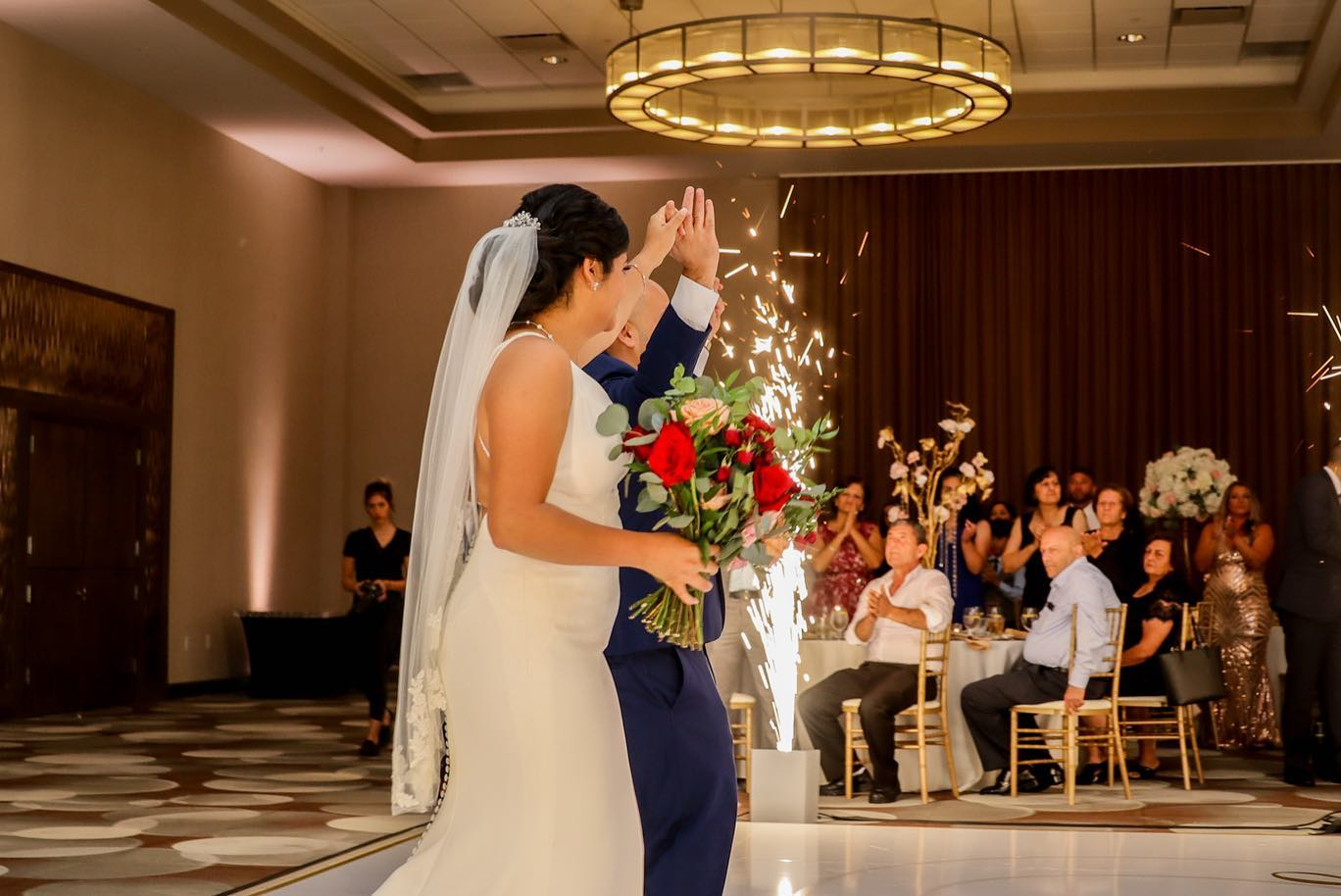
When people think about event music, the first thing that usually comes to mind is the playlist. Song choice feels like the most important decision—what to play, what to avoid, and how to match the vibe. But in real event environments, something far more important is happening behind the scenes.
It’s not just what you play. It’s when you play it.
Great events are shaped less by individual songs and more by event music timing—the strategic flow of energy created through transitions, pacing, and reading the room in real time.
Timing Creates the Emotional Structure of an Event
Every event has natural emotional phases. Arrival, conversation, dining, celebration, and closing all carry different energy levels. Music timing helps guide guests smoothly through each stage without making the shifts feel abrupt.
For example, soft, ambient music during arrival sets a welcoming tone. Slightly more structured rhythms during dinner maintain comfort without distraction. As the night progresses, tempo and intensity gradually rise, signaling transition into celebration.
When these changes are timed correctly, guests don’t notice the shift—they simply feel it.
That seamless emotional progression is what makes an event feel professionally designed.
Reading the Crowd in Real Time
One of the most important skills in managing event music timing is reading the crowd.
No two audiences behave the same way. A corporate group may respond differently than a wedding crowd. Even within the same event, energy can shift depending on conversations, announcements, or special moments.
Reading the room means observing body language, movement, and engagement levels. Are guests talking more than dancing? Are they responding to rhythm changes? Are they gradually building energy or slowing down?
These cues guide decisions about when to shift tempo, when to hold steady, and when to build momentum.
It’s a responsive process rather than a fixed plan.
Transitions Matter More Than Tracks
While songs get most of the attention, transitions are what shape the experience.
A sudden jump between drastically different tempos can break immersion. Smooth transitions maintain flow and keep guests emotionally connected.
Blending tracks, adjusting energy gradually, and layering sound elements create a continuous experience rather than a series of disconnected songs.
When transitions are handled well, guests often can’t identify where one song ends and another begins—they simply stay engaged in the moment.
That continuity is what keeps energy alive throughout the event.
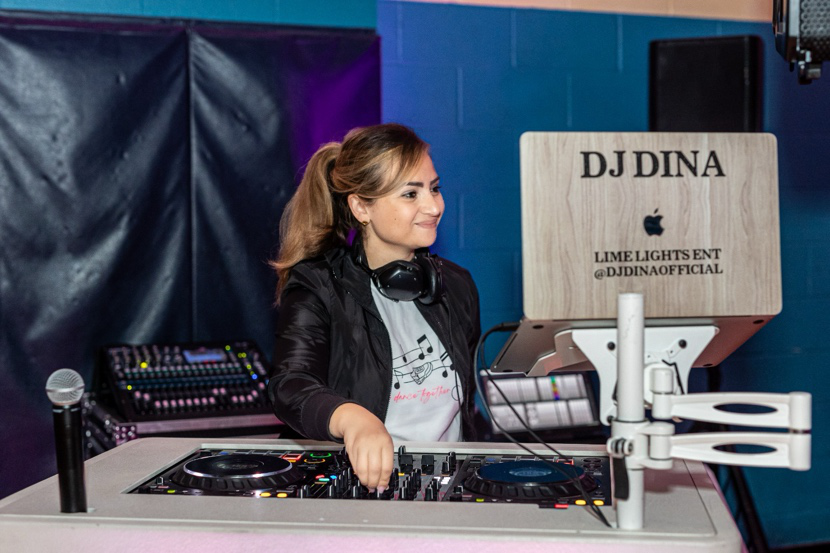
Building Energy Gradually
Strong events don’t start at full intensity. They build.
Music timing plays a key role in this gradual progression. Starting too strong can exhaust guests early, while building too slowly can lose attention.
The right balance creates anticipation. Guests feel the energy rising naturally, which makes the eventual peak more impactful.
This approach is especially important for weddings, corporate celebrations, and large social gatherings where pacing affects overall engagement.
Silence and Space Are Part of Timing
Timing isn’t just about when music plays—it’s also about when it doesn’t.
Strategic pauses, lower energy moments, and subtle background sections create contrast. Without these shifts, high-energy moments lose impact.
Space allows guests to reset emotionally. It gives conversations room to happen and prevents sensory overload.
Well-timed quiet moments make the next energetic shift feel more powerful.
Create Seamless Event Flow with Lime Lights Entertainment
Lime Lights Entertainment specializes in creating immersive event experiences where DJ services, lighting, and production work together seamlessly. From Corporate events DJ in Cleveland, our team focuses on timing, energy flow, and crowd engagement to ensure every moment feels connected and intentional.
Contact us now for an event experience where music timing enhances every moment of your celebration.