
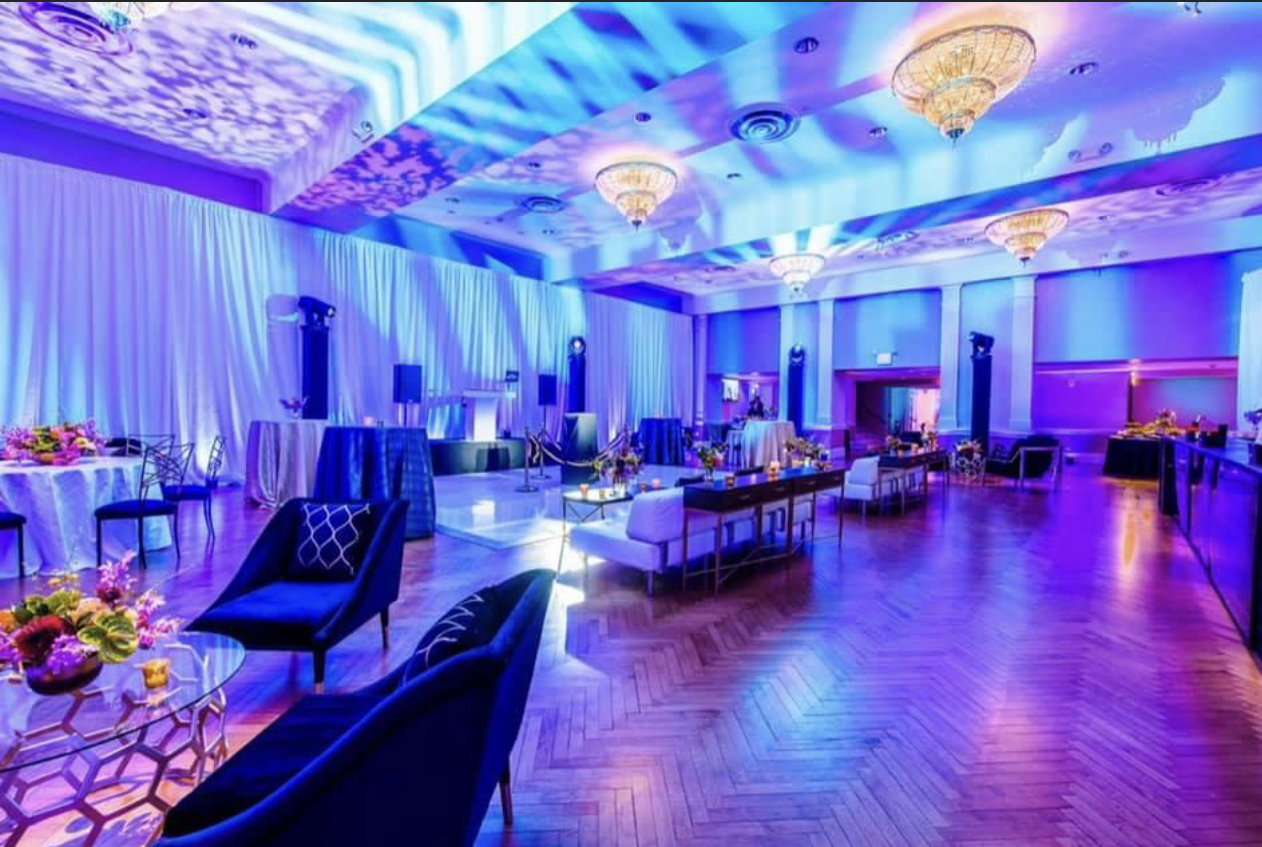
People rarely remember every detail of an event. They won’t recall the exact sequence of announcements, the full playlist, or every décor element placed on a table. What stays with them is simpler—and more powerful.
They remember how it felt to be there.
That’s the foundation of experiential event design: building events that move beyond visuals and logistics to create emotional, sensory moments that stay in memory long after the event ends.
In today’s world, where guests are constantly exposed to content and experiences, attention is no longer enough. What matters is impact.
Feelings Outlast Details
Human memory is selective. At any event, guests are exposed to dozens of visual, auditory, and social inputs at once. Over time, the brain filters out details and keeps emotional impressions instead.
That’s why two events with similar setups can feel completely different in memory. One may feel flat and forgettable, while the other feels immersive and meaningful—even if the logistics were identical.
The difference is intentional design. When sound, lighting, visuals, and interaction work together, the event becomes an experience rather than just another gathering.
Sound Sets the Emotional Foundation
Sound is one of the first elements guests feel, even when they aren’t consciously paying attention to it.
Music, ambient audio, and timing all shape emotional rhythm. A calm arrival soundtrack creates ease. A steady dining flow supports conversation. A well-timed shift in energy signals celebration without needing announcements.
In strong experiential event design, sound is not treated as background filler. It acts as an emotional guide, shaping how people move through the space and how they feel at each stage of the event.
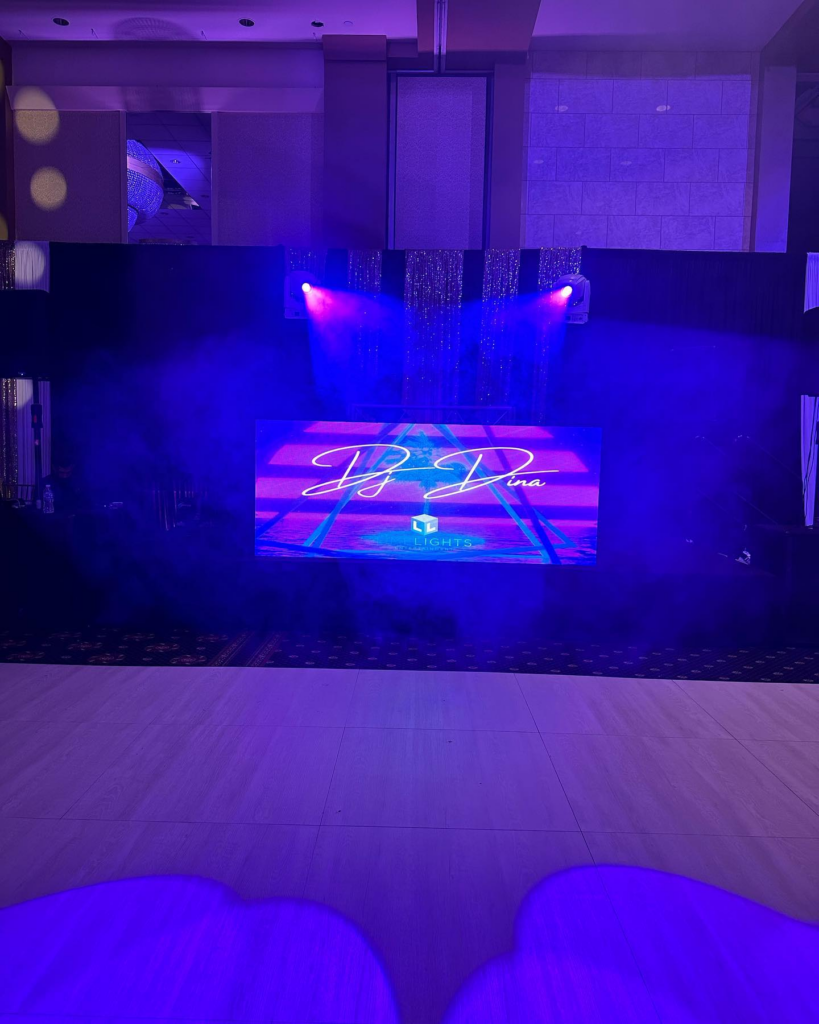
Lighting Creates Atmosphere Without Words
Lighting has the ability to transform how a space feels instantly. It can make a large venue feel intimate or a simple room feel elevated and intentional.
Soft tones create comfort and closeness. Focused lighting draws attention to key moments. Gradual shifts in brightness guide emotional transitions throughout the event.
Guests may not consciously notice lighting changes, but they feel them. That feeling is what creates the atmosphere.
When lighting is designed with purpose, it supports emotion instead of just visibility.
Visual Design Builds Immersion
Visual elements give guests something to anchor their experience to. This includes staging, screens, textures, branding, and spatial layout.
Strong visuals don’t overwhelm—they reinforce the theme and emotional direction of the event.
When everything visually aligns, guests stop feeling like they are inside a venue and start feeling like they are inside a curated environment.
Interaction Turns Guests into Participants
The most memorable events are not passive. They invite participation.
This could be something simple like a photo moment, a dynamic stage reveal, or an environment that encourages movement and social interaction.
When guests take part in the experience instead of just observing it, their emotional connection becomes stronger. They are no longer spectators—they are part of the event itself.
That involvement is what makes memories feel personal rather than observed.
Flow Is What Holds Everything Together
Even the best individual elements lose impact if the event feels disjointed.
Flow is what connects everything—how one moment transitions into the next without disruption.
When lighting, sound, visuals, and pacing are aligned, guests move through the event without friction. They don’t feel shifts happening—they experience a continuous emotional journey.
That sense of smooth progression is often what people remember most, even if they can’t explain why.
The Real Success of an Event
The success of an experiential event is not measured by how much happened, but by how deeply it was felt.
Guests may not recall every detail, but they remember the atmosphere, the emotion, and the sense of being part of something well-crafted.
That is the real purpose of experiential event design—to create moments that stay with people long after the event ends, not because they were loud or complex, but because they were meaningful.
Lime Lights Entertainment specializes in creating immersive environments where lighting, sound, visuals, personalized dance floor in Cleveland, Stage rental in Cleveland, and production work together to build meaningful guest experiences. Through thoughtful experiential event design, we help transform events into emotionally engaging moments that feel connected, intentional, and unforgettable.
Call us to experience how we create events that people don’t just attend—but actually remember.