
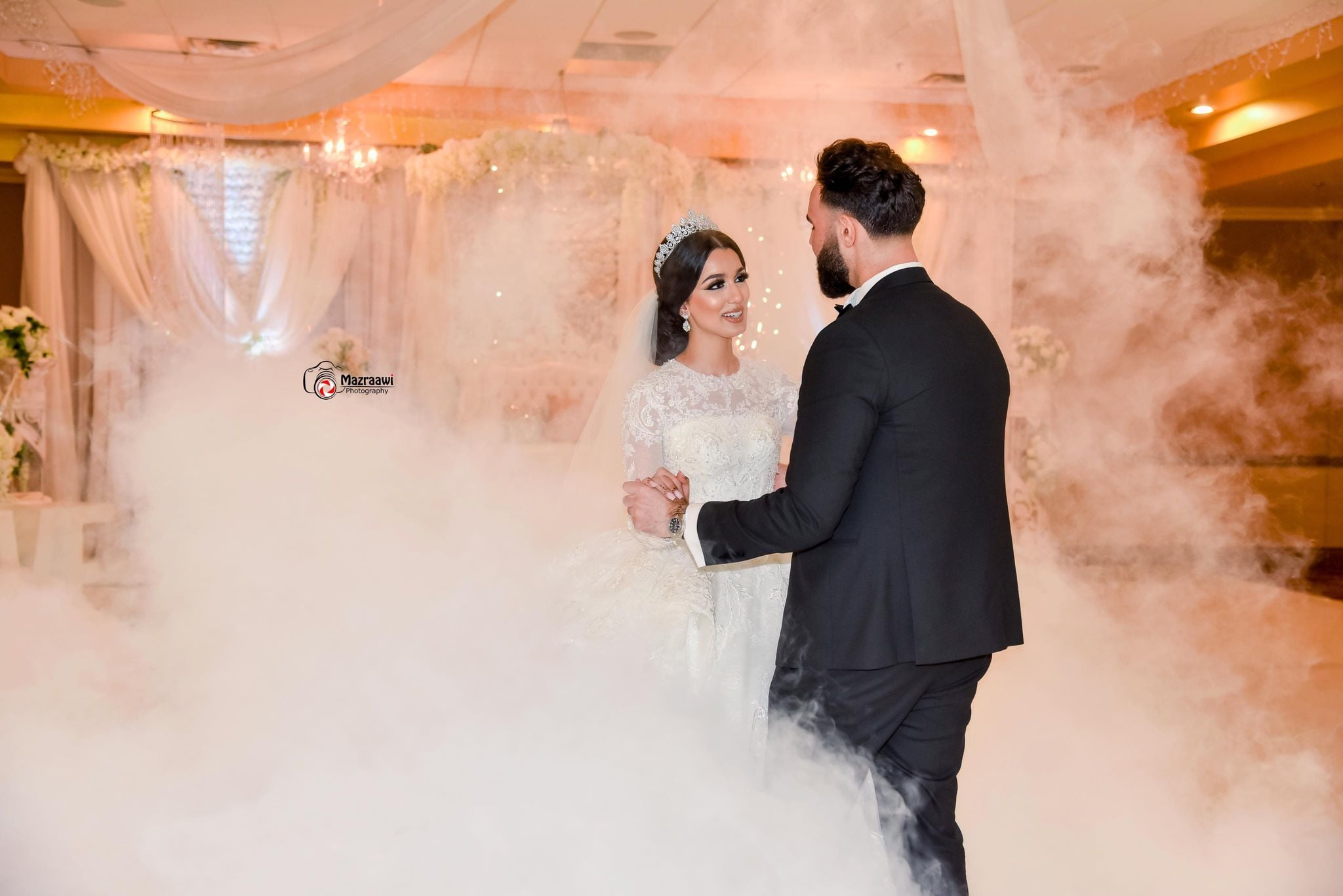
A wedding doesn’t start when the music plays or when the couple walks in. It starts the moment people step into the space and feel something shift without being able to explain why.
That feeling usually comes from lighting.
Before guests notice flowers, seating, or décor details, their brain is already reading the room through brightness, shadows, warmth, and contrast. This is where wedding lighting in Cleveland design quietly does its most important work—it sets emotion before anything else has a chance to speak.
The Room Should Feel Like Something Before It Looks Like Something
Most weddings begin in the same way: guests arrive, look around, and try to understand the atmosphere.
Lighting removes that “trying.” It tells the story immediately.
A dim, warm entry feels personal and intimate. A brighter, open wash of light feels social and energetic. A softly lit pathway subtly directs attention without signs or instructions. None of this is loud, but all of it is felt instantly.
When lighting is done well, guests don’t ask what the theme is—they already feel it.
Emotion Lives in Contrast, Not Brightness
One of the most overlooked parts of wedding lighting design is contrast.
A space that is evenly lit everywhere tends to feel flat, almost like a showroom. Emotion appears when lighting changes from one area to another.
A softly glowing dinner space suddenly gives way to a darker dance floor with focused highlights. A quiet, intimate corner contrasts against a brighter main stage. Even small shifts in intensity create emotional cues the brain naturally follows.
Guests don’t consciously register these changes, but they feel them. That’s what makes the night feel like it has chapters instead of just one long scene.
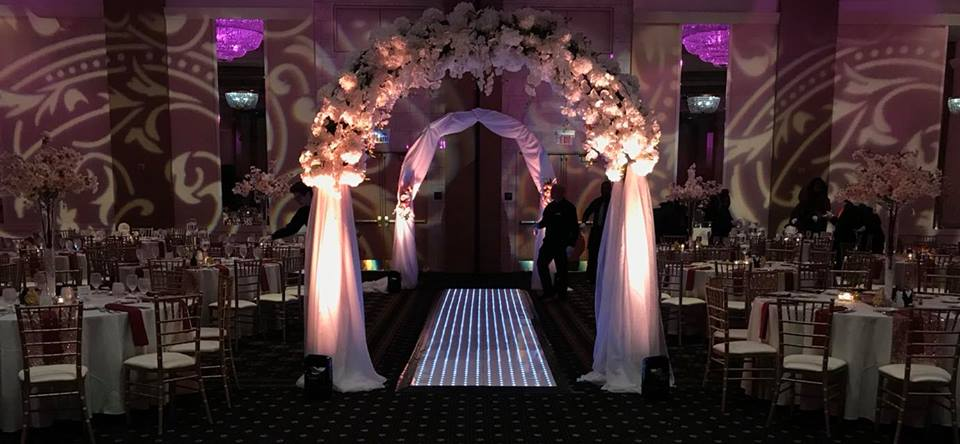
Lighting Controls Attention Without Saying a Word
Every wedding has moments that matter more than others—the entrance, the vows, the first dance, the speeches. Lighting is what tells people where to look without anyone having to guide them.
A gentle spotlight naturally pulls focus. A gradual dimming of the room creates silence without sound. A slow brightening builds anticipation without announcements.
It’s not about decoration. It’s about direction.
When attention is guided well, moments feel more important than they actually are—which is exactly what makes them memorable.
The Best Lighting Doesn’t Announce Itself
There’s a difference between lighting that is designed to impress and lighting that is designed to be felt.
Over designed lighting tries to show itself off—color changes for the sake of movement, effects layered just because they exist, or brightness used as decoration. That usually pulls attention away from the moment.
Good lighting disappears into the experience.
Guests don’t say, “the lighting was amazing.” They say, “that moment felt unreal,” without realizing lighting was responsible for it.
That’s the goal of refined wedding lighting design—influence without interruption.
Build Energy Instead of Switching It
Weddings are not static events. They move through phases, and lighting should move with them instead of jumping abruptly.
The evening usually begins with softness—low contrast, warm tones, gentle visibility. As conversations build and dinner progresses, lighting stays steady but slightly more present. When the shift toward celebration begins, lighting doesn’t suddenly change—it builds.
That gradual rise in energy is what makes the transition feel natural instead of staged.
Guests don’t notice the shift. They just realize at some point that they’re already dancing.
Space Feels Different When Light Has Intent
Without intention, a venue is just a room with people in it.
With intentional lighting, it becomes layered. Depth appears. Corners feel different from center spaces. The ceiling feels higher or lower depending on focus. Even simple venues start to feel designed rather than rented.
This is where emotional impact actually comes from—not complexity, but direction.
A wedding doesn’t need more light. It needs meaningful light.
The Memory People Keep Is Not Visual—It’s Emotional
Guests rarely remember exact décor details. They don’t recall every table setting or floral arrangement.
What they remember is how the night felt when certain moments happened.
Lighting is one of the main reasons those feelings stick. It shapes memory by shaping emotion in real time—quiet during intimate moments, expansive during celebration, focused during key events.
That emotional layering is what turns a wedding into something people talk about long after it ends.
At Lime Lights Entertainment, wedding lighting design is built around emotion first, not equipment. The goal is not to fill a space with light, but to shape how each moment feels as it unfolds—so the atmosphere supports the celebration instead of competing with it.
If the moment matters, the lighting should too.
Let’s collaborate to design a wedding atmosphere that feels intentional, cinematic, and emotionally present from start to finish.