
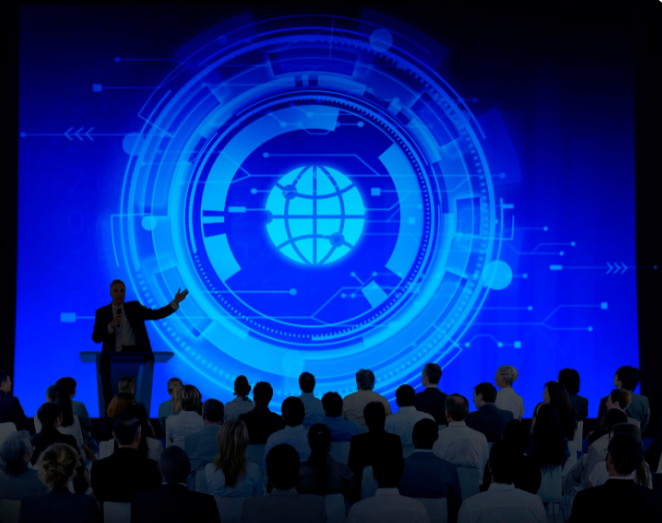
There was a time when corporate events were largely defined by agendas, presentations, and networking sessions. Attendees arrived, listened, exchanged business cards, and went home. Success was measured by attendance numbers and how smoothly the schedule ran.
Today, expectations have changed.
Audiences are exposed to exceptional experiences every day—from interactive retail environments and personalized digital content to immersive entertainment and live productions. As a result, people no longer separate business experiences from consumer experiences. They expect the same level of engagement, creativity, and emotional connection wherever they go.
This shift is transforming the way companies approach events. Modern corporate brand experience events are designed to do far more than share information. They communicate identity, reinforce values, create memorable interactions, and leave attendees with a stronger connection to the organization behind the event.
The focus has moved beyond hosting an event. The goal is now creating an experience that feels unmistakably aligned with the brand itself.
The Shift from Information to Experience
Corporate events DJ In Cleveland once centered almost entirely around delivering information. Conferences focused on presentations. Product launches focused on announcements. Company celebrations focused on logistics.
While information remains important, organizations are realizing that people remember experiences far more vividly than presentations.
Attendees may forget individual slides, statistics, or talking points. They are much more likely to remember how the environment felt, how the event was presented, and the emotions they experienced throughout the day.
This realization has sparked a significant shift in event strategy.
Instead of asking, “What do we want people to hear?” companies are increasingly asking, “What do we want people to feel?”
That question changes everything.
It influences venue design, visual production, entertainment choices, stage design, lighting strategy, and guest interaction. Every element becomes part of a larger story rather than an isolated event component.
Every Touch point Communicates the Brand
Strong brands understand that identity isn’t communicated through logos alone.
The atmosphere guests encounter upon arrival, the visual presentation on stage, the music between sessions, and even the flow of the event contribute to how attendees perceive a company.
In modern corporate events, every touch point becomes an opportunity to reinforce brand identity.
A technology company may emphasize innovation through dynamic led lighting in Cleveland displays, interactive installations, and cutting-edge visual production. A luxury brand may focus on refined aesthetics, sophisticated lighting, and elevated guest experiences. A creative agency may prioritize immersive environments that encourage participation and exploration.
The goal is consistency.
When every element aligns with the brand’s personality, attendees experience the company rather than simply learning about it.
That distinction is what separates traditional corporate events from modern brand experiences.
Visual Storytelling Has Become Essential
Humans process visuals faster than text, making visual communication one of the most powerful tools available to event planners.
Corporate audiences are increasingly drawn to experiences that feel visually engaging from the moment they enter the venue.
Large-format displays, custom stage designs, branded environments, video walls, digital content, and immersive lighting all contribute to a cohesive visual narrative.
Visual storytelling allows brands to communicate complex ideas quickly and effectively. Rather than relying solely on presentations, companies can create environments that immediately express innovation, professionalism, creativity, or leadership.
The most successful events ensure that visual elements support the message rather than distract from it. Every screen, stage element, and visual cue should feel connected to the larger brand story being told throughout the event.

Lighting Has Become a Strategic Tool
Lighting is often associated with aesthetics, but its impact extends much further.
In modern corporate brand experience events, lighting shapes perception, directs attention, and influences emotional response.
A well-designed lighting strategy helps define different moments throughout the event. It can create focus during presentations, encourage interaction during networking sessions, and build excitement during announcements or celebrations.
Special event lighting In Cleveland also helps transform ordinary venues into branded environments.
A ballroom, convention hall, or meeting space can take on a completely different personality when illuminated with intentional colors, textures, and visual layers.
Instead of functioning as background support, lighting now serves as an active part of the event experience.
It creates atmosphere, supports storytelling, and helps guests remain emotionally connected to the content being presented.
Stage Design Is No Longer Just Functional
Traditionally, stages existed simply to provide visibility for speakers and presentations.
Today, stages have become central storytelling platforms.
Modern stage design combines architecture, branding, technology, and visual communication into a single focal point that anchors the event experience.
A thoughtfully designed stage instantly communicates professionalism and credibility. It also provides opportunities to reinforce messaging through branded visuals, custom structures, digital displays, and integrated lighting.
When attendees walk into a room, the stage often forms their first impression of the event.
A strong stage design tells them that they are about to experience something intentional and carefully crafted.
That perception influences engagement long before the first speaker takes the stage.
Entertainment Is Becoming Part of Brand Strategy
Entertainment was once viewed as a separate component reserved for receptions, parties, or after-hours programming.
Today, it plays a much larger role in event engagement.
Companies are increasingly using entertainment to strengthen emotional connection, maintain audience energy, and support brand positioning.
Music, DJ services in Ohio, interactive experiences, visual performances, and audience participation opportunities help create moments that feel memorable and human.
This is particularly important in corporate environments where information-heavy programming can sometimes lead to fatigue.
Strategic entertainment breaks up the day, re-energizes attendees, and keeps engagement levels high.
When chosen carefully, entertainment becomes an extension of the brand experience rather than a standalone attraction.
Engagement Has Become the New Measure of Success
Attendance numbers still matter, but they no longer tell the full story.
Companies now place greater emphasis on engagement.
- How long did attendees remain involved?
- Did they interact with activations?
- Did they participate in discussions?
- Did they connect emotionally with the content?
- Did they leave with a stronger perception of the brand?
These questions have become increasingly important because engagement often drives business outcomes more effectively than attendance alone.
A smaller audience that feels deeply connected to a brand can generate more value than a larger audience that remains passive throughout the event.
This is one reason experiential event design continues to gain momentum across industries.
The Rise of Immersive Environments
Modern attendees want to participate, not simply observe.
As a result, immersive environments are becoming increasingly common within corporate events.
Interactive displays, experiential activations, branded installations, dynamic video content, and audience-driven experiences encourage active participation rather than passive attendance.
These environments help attendees feel involved in the brand story.
Instead of sitting through presentations, they become part of the experience itself.
This shift creates stronger emotional engagement while making information more memorable and impactful.
It also allows brands to differentiate themselves in increasingly competitive event landscapes.

Why Emotional Connection Matters
Business decisions are often influenced by emotion, even when supported by logic.
Corporate events DJ in Cleveland provide a unique opportunity to create emotional connections that strengthen relationships with clients, employees, partners, and stakeholders.
When attendees feel inspired, valued, excited, or connected, they develop stronger associations with the organization behind the event.
Those emotional connections often last longer than any presentation or marketing message.
This is why successful event strategies now balance information with experience.
The goal isn’t simply delivering content.
It’s creating an environment where people feel something meaningful while engaging with that content.
The Future of Corporate Events
The evolution of corporate events shows no signs of slowing down.
As technology advances and audience expectations continue to rise, companies will increasingly focus on creating experiences that blend storytelling, design, entertainment, and engagement into a unified brand journey.
Future events will likely become even more immersive, personalized, and interactive.
Organizations that embrace this shift will be better positioned to build stronger relationships, improve audience engagement, and create lasting impressions that extend well beyond the event itself.
Because in today’s experience-driven world, people rarely remember every presentation.
They remember how the event made them feel.
Build Memorable Corporate Brand Experiences with Lime Lights Entertainment
Successful corporate events require more than logistics—they require atmosphere, strategy, and engagement. Lime Lights Entertainment helps organizations create immersive corporate brand experience events in through professional lighting, staging, video walls, entertainment, dance floors, special effects, and event production solutions.
Whether you’re planning a conference, product launch, company celebration, trade show activation, or executive event, our team can help transform your vision into a memorable brand experience that resonates long after the event ends.
Get in touch now to create a corporate event that reflects your brand, engages your audience, and leaves a lasting impression.